

Mars Rover Training Program - Inspiring the Next Generation of Space Explorers
The Mars Rover Training Program by iMars Organization is a unique hands-on educational initiative designed to introduce students, schools, educators, and young innovators to the exciting world of planetary exploration, robotics, engineering, and space science. This program is built to inspire children and young learners to understand how Mars rovers work, how future missions to Mars are planned, and how science and technology can help humanity explore and settle on other planets.The program combines practical learning, engineering exposure, simulation-based activities, and real rover operation experience to create a complete Space Technology learning platform for children from Grade 2 onwards. It is not just a workshop—it is a mission experience where participants learn, build, test, operate, and think like real Mars mission scientists and engineers.
Vision of the Program
The vision of the Mars Rover Training Program is to create curiosity, scientific thinking, and innovation among students by giving them direct exposure to space exploration technologies. Through this initiative, iMars aims to prepare the next generation of scientists, engineers, astronauts, roboticists, and innovators who will contribute to future Moon and Mars missions.Inspired by the encouragement and support of distinguished space leaders and scientists, the program is designed to make advanced space education accessible to school students in an engaging and practical manner.
Genesis of Space Technology Training Program by iMars Organization
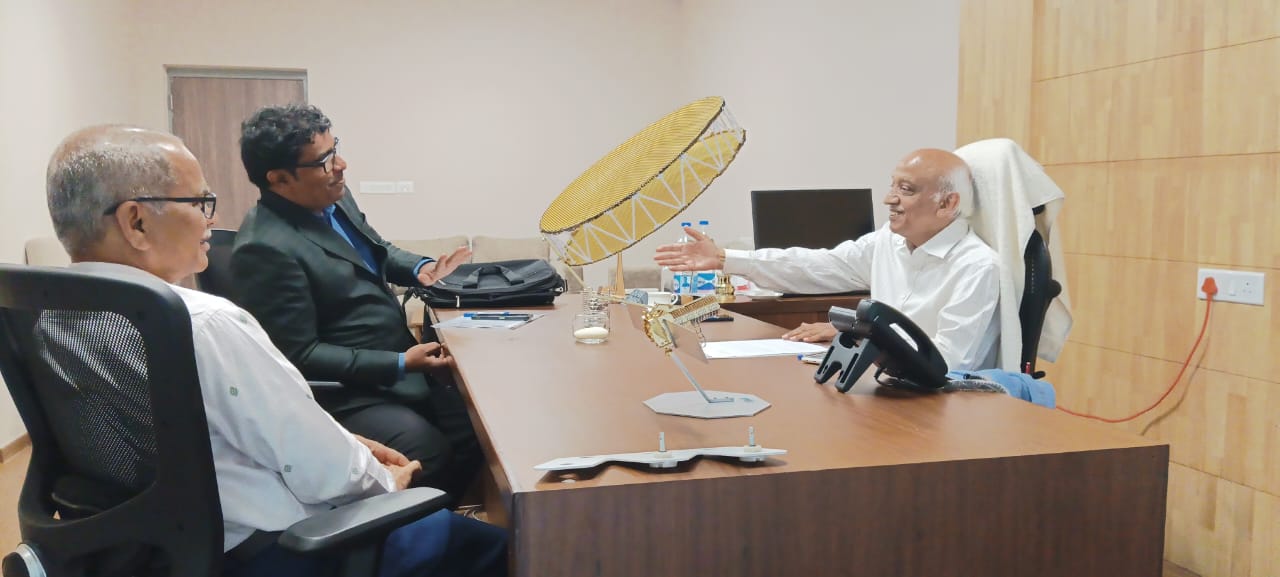
The genesis of the Mars Rover Training Program began with the vision of A. S. Kiran Kumar, who strongly believed that the way science and technology education is taught to children in India needed a major shift from theory-based learning to practical, hands-on experience. During a meeting held in April 2025 at ISRO Headquarters with Krishnamurthy Manjunatha, Nagendrayaa (retd ISRO Scientist), and Subramanya, Shri Kiran Kumar emphasized that even students studying in highly advanced schools often lacked basic practical skills—he pointed out that many Grade 10 students did not even know how to properly hold a screwdriver. He strongly recommended creating engineering-based learning sessions for children, where they could learn by building and doing rather than only reading textbooks.
Based on these ideas and guidance, iMars Organization formed a team to develop a workable educational replica of NASA’s Mars Exploration Rover Spirit and Mars Exploration Rover Opportunity as a buildable rover project for students. Initially, the concept was planned for children from Grade 5 onwards, but Shri Kiran Kumar revised this to Grade 3 onwards, citing two important reasons: younger children possess stronger natural curiosity and students in Grades 3 to 4 often receive less restrictive parental interference compared to older children. Multiple prototypes and iterations were developed to ensure the rover was strong yet lightweight, durable but without sharp edges that could cause injuries, electrically safe with systems operating at 12V or below, and designed with larger nuts, bolts, and easy connectors so children could assemble and wire the system themselves. After several refinements, Shri Kiran Kumar personally tested the rover prototype, suggested final improvements, and approved the design. That final rover version is now successfully used in the Mars Rover Training Program to train and inspire young students.
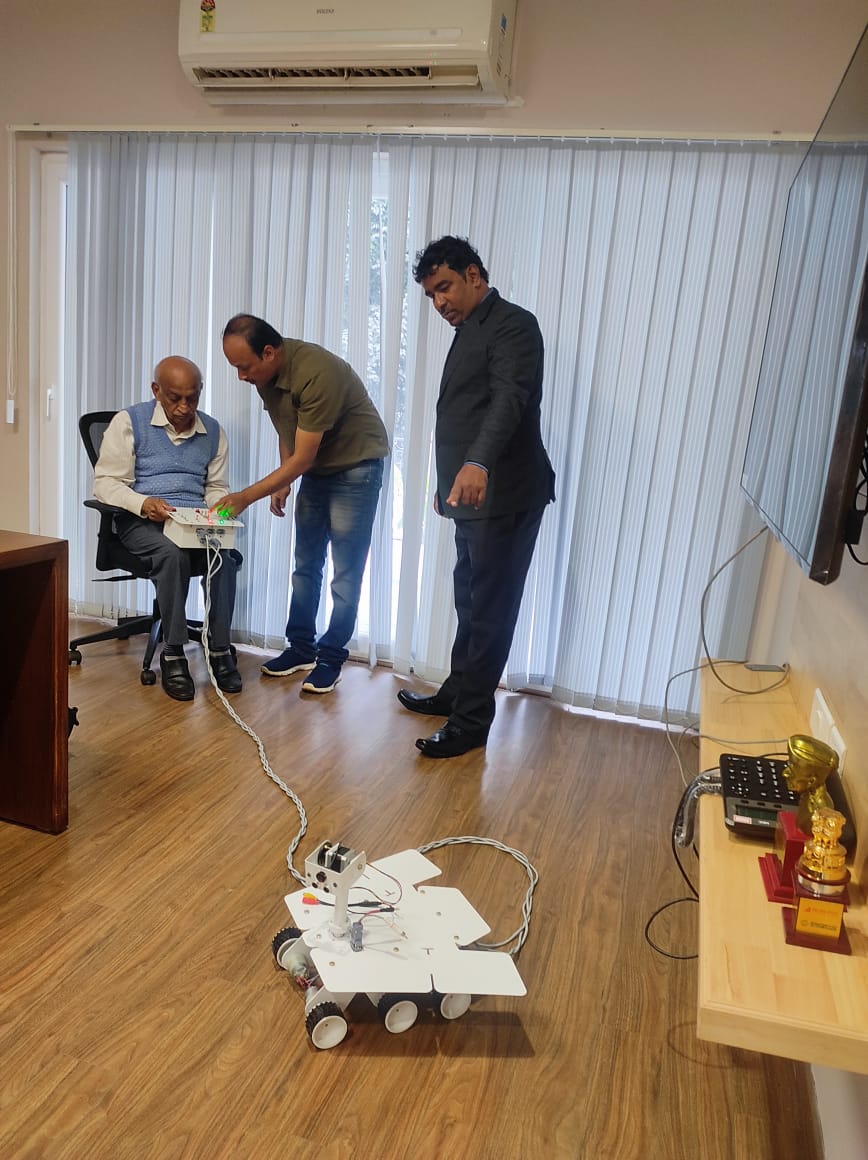
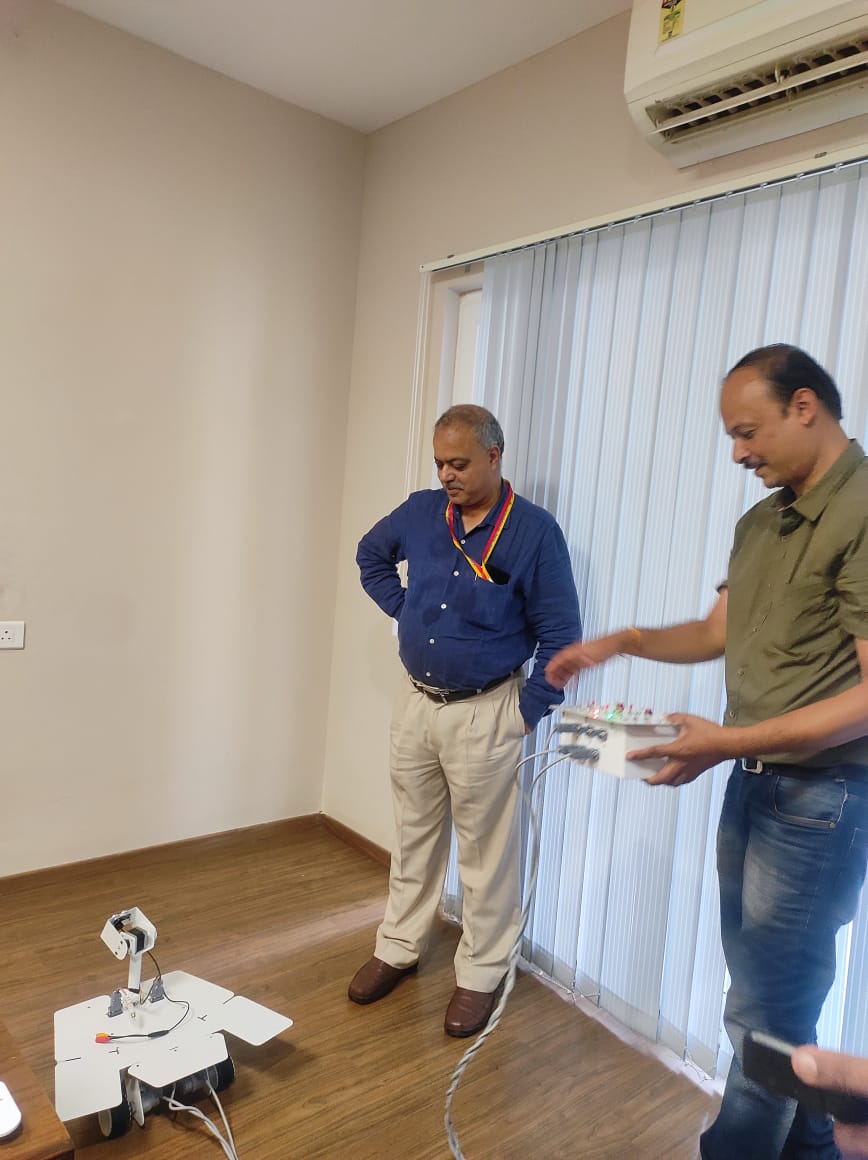
Program Highlights - Mars Rover Training Program
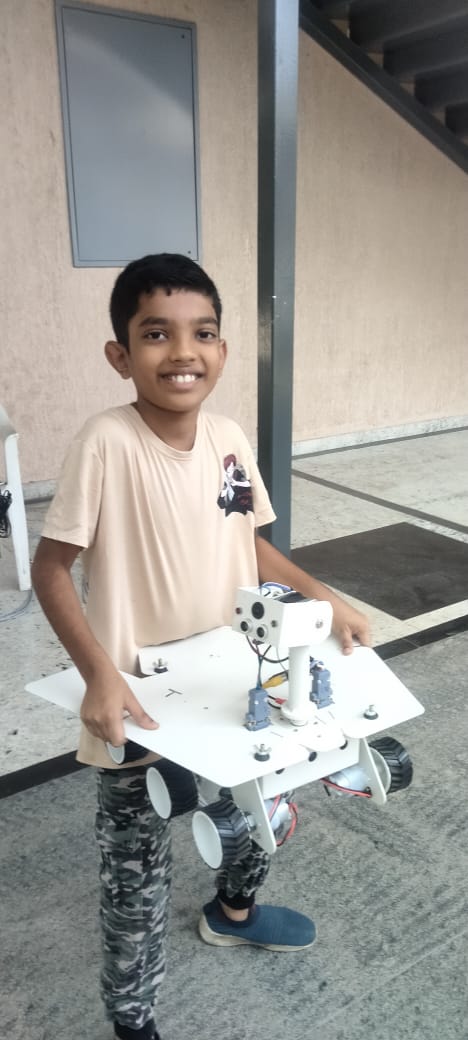
The Mars Rover Training Program offers a unique hands-on learning experience where students build and operate a real Mars Rover model while learning the fundamentals of mechanics, electronics, robotics, and engineering. Designed for children from Grade 2 onwards, the program uses a safe and child-friendly rover platform with real assembly components such as nuts, bolts, connectors, wheels, and motors. Students test the rover on simulated Mars-like terrain, solve mission challenges, and work in teams to develop problem-solving, creativity, and confidence. The program also introduces them to future Moon and Mars missions, habitat development, and exciting space careers. Training sessions are conducted at schools, planetariums, and STEM education centers across Karnataka, making advanced space education accessible and engaging for young learners
Hands-On Rover Experience
Participants work with real rover platforms and systems that replicate Mars surface mobility challenges. Students learn rover movement, wheel systems, suspension mechanisms, navigation methods, and obstacle handling.
Learning Through Practice
The training integrates:PhysicsElectronicsElectrical systemsMechanical engineeringEmbedded systemsRoboticsSpace sciencePlanetary scienceCommunication systemsProblem-solving and design thinking
Learn by BuildingStudents are introduced to modular rover systems where they understand structure, power systems, sensors, controls, and mission design through practical assembly and demonstration.
Team-Based Mission ActivitiesParticipants work in groups to complete rover missions, scientific challenges, and exploration tasks, improving teamwork and leadership skills.
What is Space Technology - Rover Training Program
The Mars Rover Training Program is a unique hands-on educational initiative developed by iMars Organization to introduce children, students, schools, and young innovators to the exciting world of space exploration, robotics, engineering, and planetary science. It is designed as a practical STEM learning platform where students do not simply study about Mars missions from books—they experience the process of building and operating a Mars Rover themselves. Inspired by NASA’s famous Mars rovers such as Spirit and Opportunity, the program uses a specially designed educational rover platform that allows children to understand how real planetary rovers work, move, navigate, and support future human missions to Mars.The program combines mechanics, electronics, electrical systems, robotics, problem-solving, and teamwork into one engaging learning experience. Students assemble rover components using bolts, nuts, connectors, wheels, motors, and control systems, giving them direct exposure to engineering principles in a safe and exciting way. They learn how movement is created, how wiring works, how sensors and control systems function, and how real engineering challenges are solved through testing and improvement. This transforms science education from passive classroom learning into active exploration, helping children develop confidence, creativity, and practical understanding.Designed for children from Grade 2 onwards, the Mars Rover Training Program focuses on early scientific curiosity and learning through doing. The philosophy behind the program is simple: children learn best when they build with their own hands, make mistakes, ask questions, and discover solutions independently. The rover becomes a “Lab on Wheels,” combining Physics + Electronics + Mechanical Engineering + Software into one integrated educational platform. It can be used at home, in schools, science centers, and planetariums, making it a flexible and scalable learning system for both individual and group learning.More than just a workshop, the Mars Rover Training Program is a mission experience where students think like scientists, work like engineers, and explore like astronauts. They test rover movement on simulated Martian terrain, solve challenges as teams, and understand the role of robotic systems in future Moon and Mars settlements. The program also introduces concepts of habitat development, human survival on Mars, and future space careers, helping students connect classroom learning to real-world space missions.The long-term goal of the program is to inspire the next generation of scientists, engineers, astronauts, and innovators who will contribute to future lunar and Martian exploration. By giving children early exposure to advanced technology in a simple and engaging way, the Mars Rover Training Program helps build confidence, curiosity, and a strong foundation for India’s future space workforce. It is not just about training children to build a rover—it is about helping them build the future.
How it is done?
The Mars Rover Training Program is conducted through a carefully designed step-by-step hands-on learning process where students actively participate in building, understanding, and operating a Mars Rover rather than simply observing demonstrations.
The program begins with an introduction to Mars exploration—why Mars is important, how robotic rovers help scientists study the planet, and how future human missions to the Moon and Mars depend on such technologies. Students are introduced to famous NASA Mars rovers like Spirit and Opportunity and learn how these machines perform exploration, navigation, soil analysis, and support scientific missions on the Martian surface.
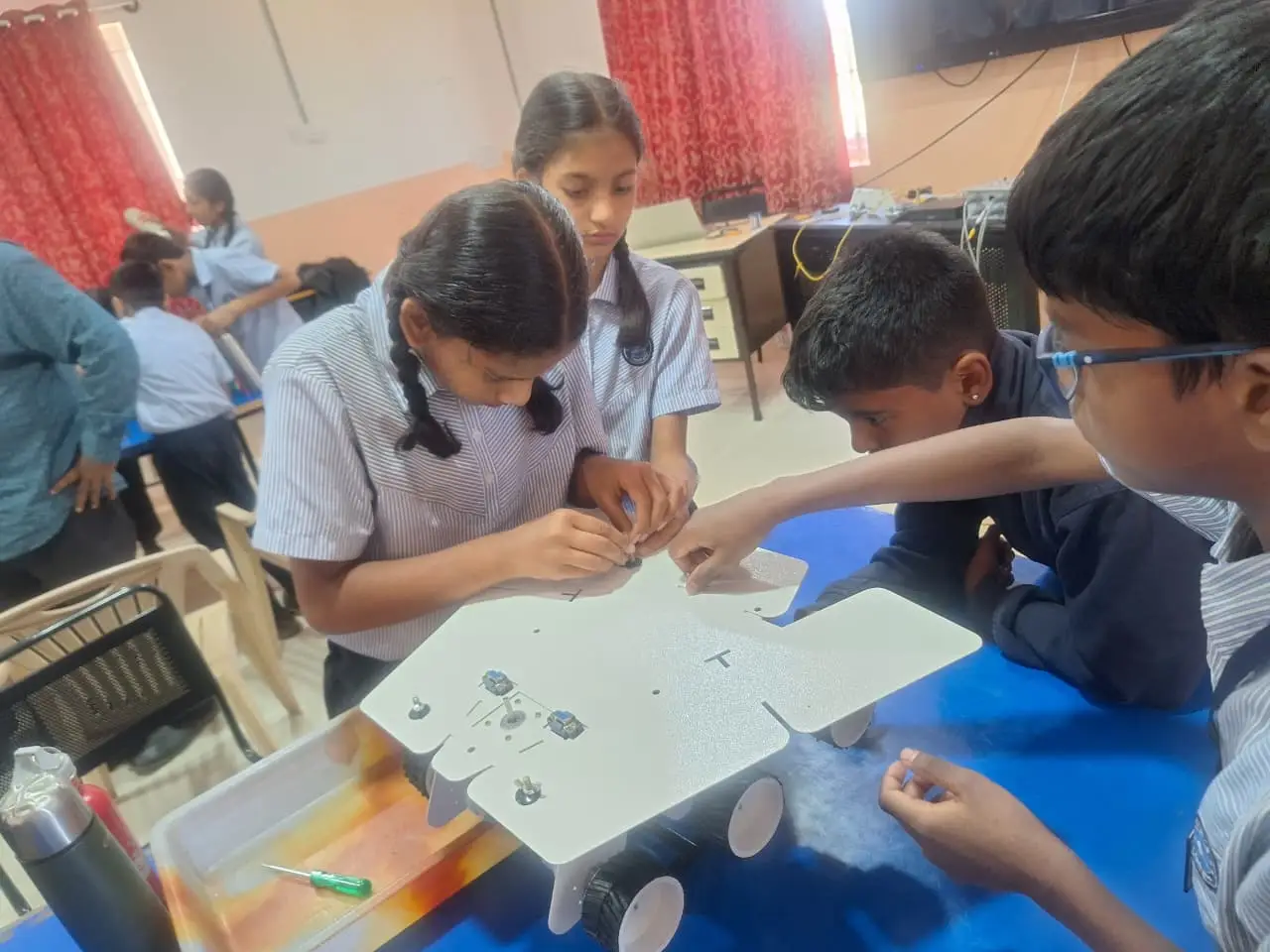
Once the students understand the purpose of a Mars rover, they move into the practical engineering phase. They are given access to a specially designed educational rover platform developed by iMars Organization, created specifically for children from Grade 3 onwards. This rover is safe, modular, and easy to assemble using larger nuts, bolts, connectors, wheels, motors, and electronic modules. Students begin by identifying the mechanical structure of the rover—its chassis, wheels, suspension, and motion systems.
They learn how each part contributes to movement and stability, and how rover design must adapt to rough terrain and planetary surface conditions.The next stage focuses on electrical systems and wiring. Students connect motors, batteries, control systems, and wiring connectors themselves under guided supervision. Since the system operates at safe low voltages (12V or below), children can confidently explore electrical concepts without risk.
They learn how power flows, how motors drive movement, how switches work, and how simple control systems are created. Instead of being told the answers directly, students are encouraged to try, make mistakes, observe outcomes, and improve their work—because problem-solving is considered one of the most valuable parts of the learning process.After assembly, students move to the rover operation and testing phase.
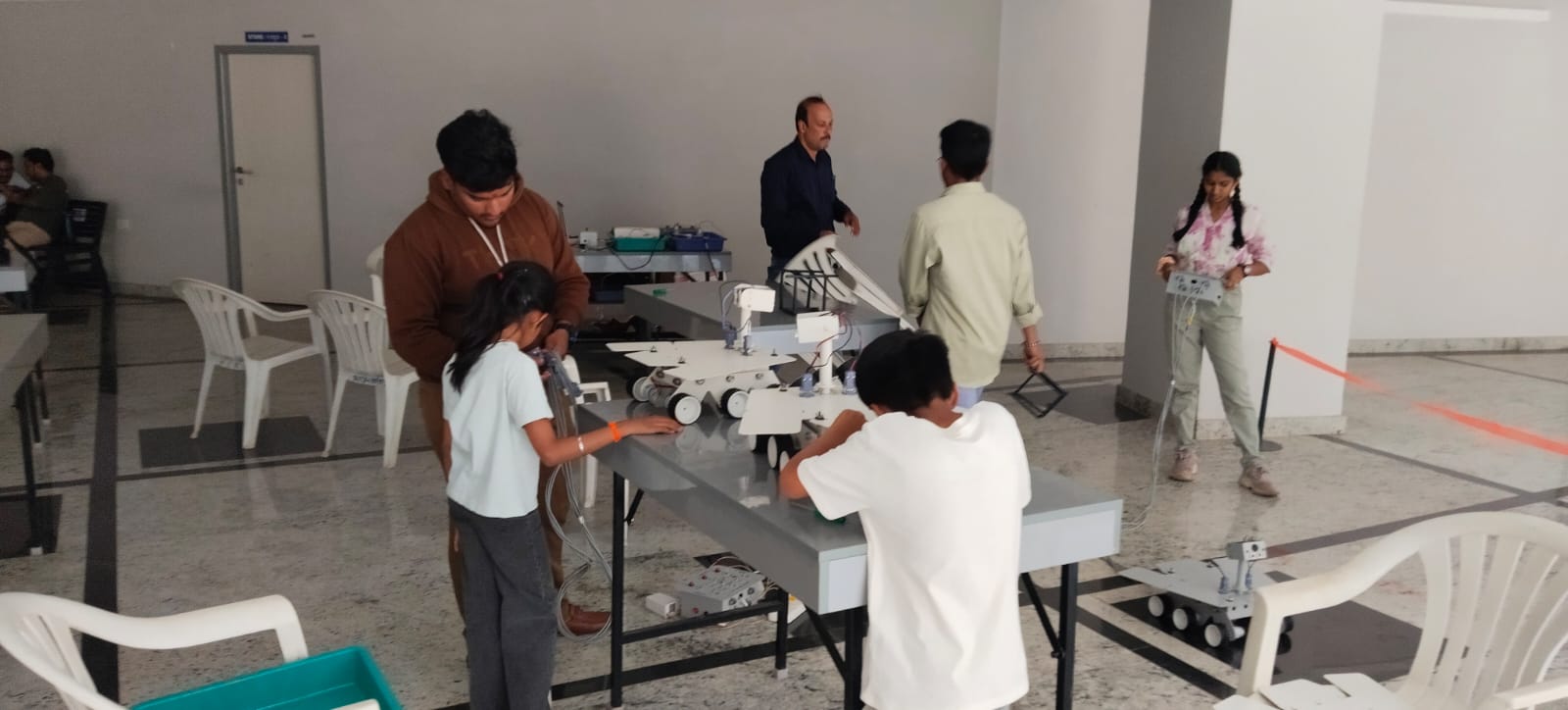
The rover is tested on specially prepared terrain that simulates Martian surface conditions, including rough paths, slopes, obstacles, and regolith-like surfaces. Students operate the rover, observe its performance, and identify challenges such as wheel traction, balance, turning, and obstacle handling. This stage helps them understand that engineering is not only about building, but also about testing, improving, and redesigning systems based on real-world performance.
They work in teams to complete challenge missions, improving collaboration, communication, and leadership skills.The program also includes discussions on future Mars habitats, Moon bases, and human settlement technologies so that students understand the larger purpose behind rover systems.
They learn how rovers support astronauts, help identify habitat locations, transport materials, and become critical tools for future planetary living. Experts, scientists, and mentors guide the sessions when necessary, but students are encouraged to discover solutions independently. This creates a learning environment where curiosity leads the process and confidence grows naturally.
The Mars Rover Training Program can be conducted in schools, science centers, planetariums, workshops, and special STEM events, making it highly flexible and scalable. It is not just a single workshop but a complete educational mission where students experience engineering as real builders and explorers. Through this practical process, the rover becomes a “Lab on Wheels,” combining Physics, Electronics, Mechanical Engineering, Electrical Systems, and Software into one integrated platform that transforms learning from theory into experience.
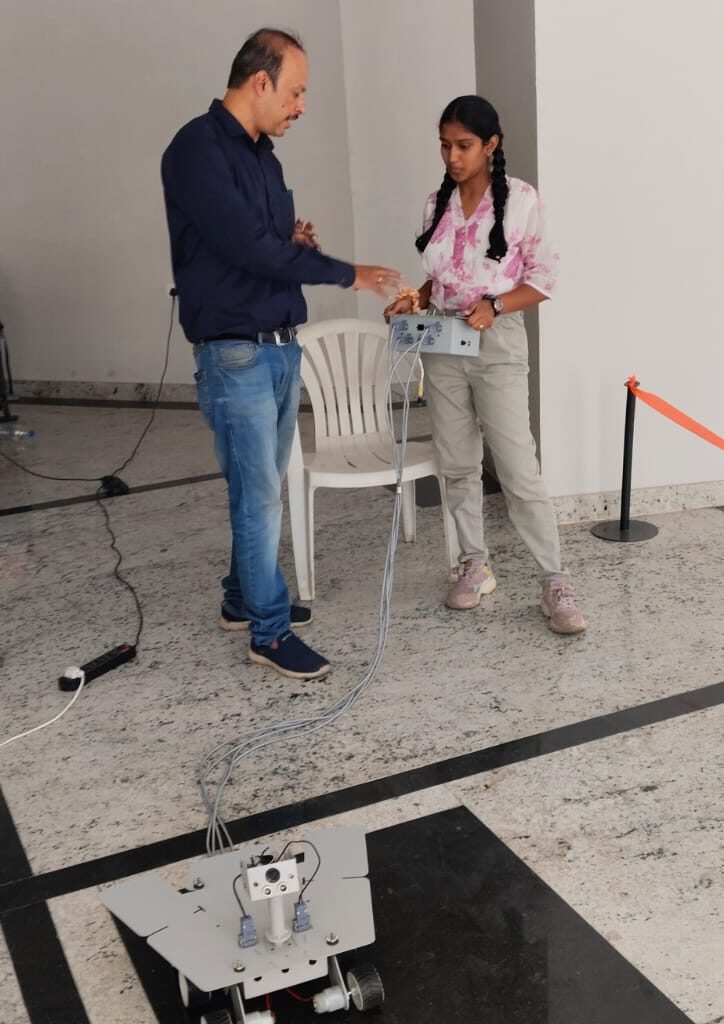
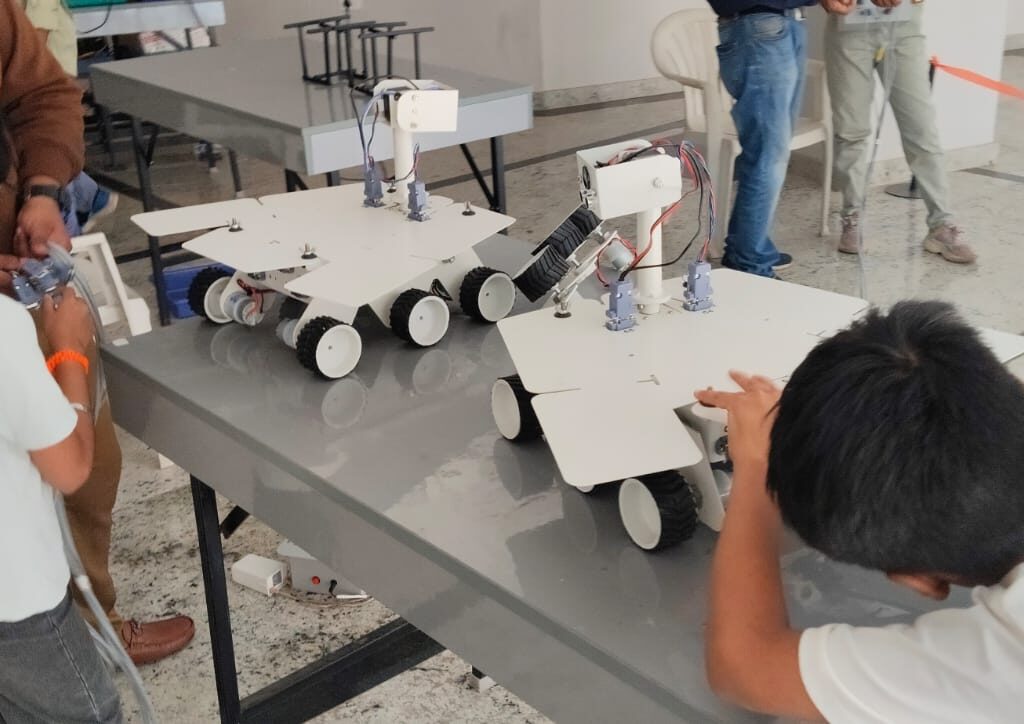
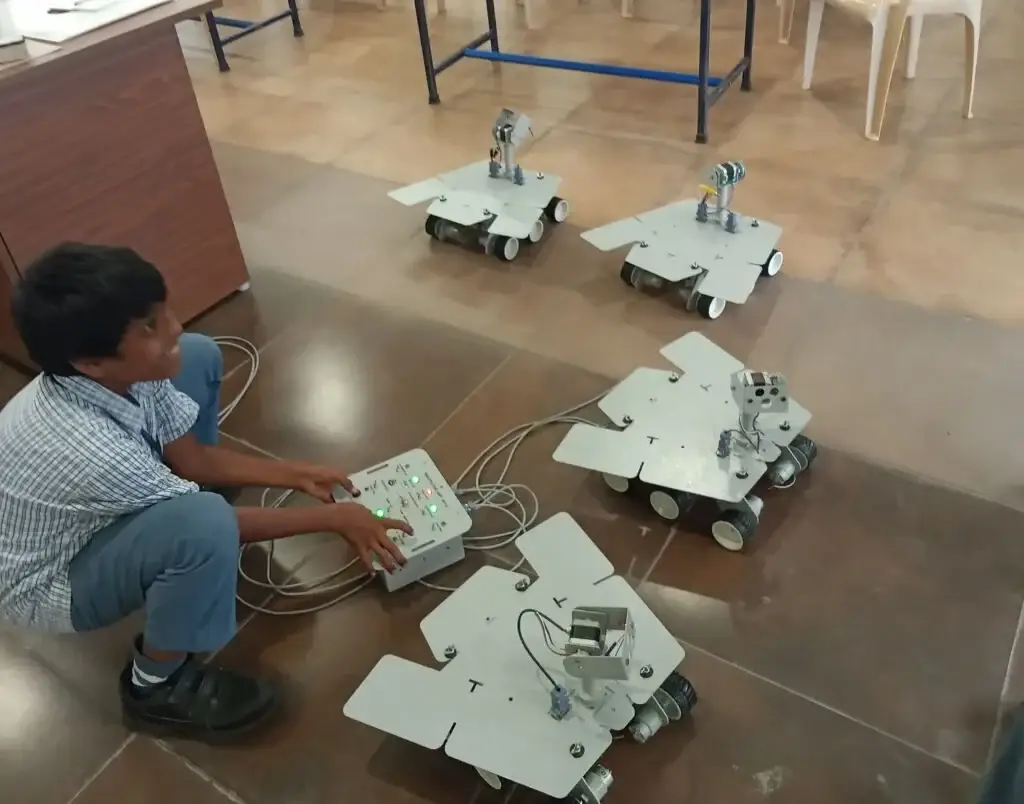
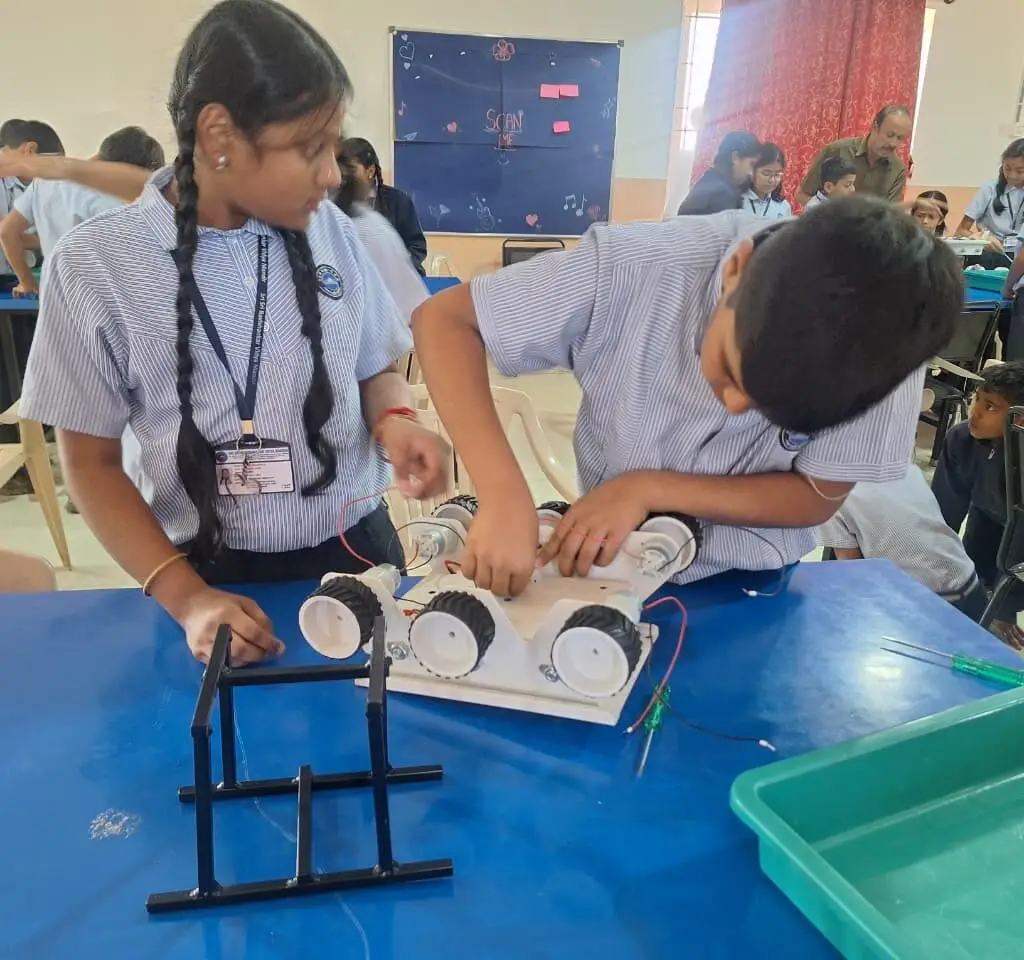
Your Institution Can Host the iMars Rover Training Program!
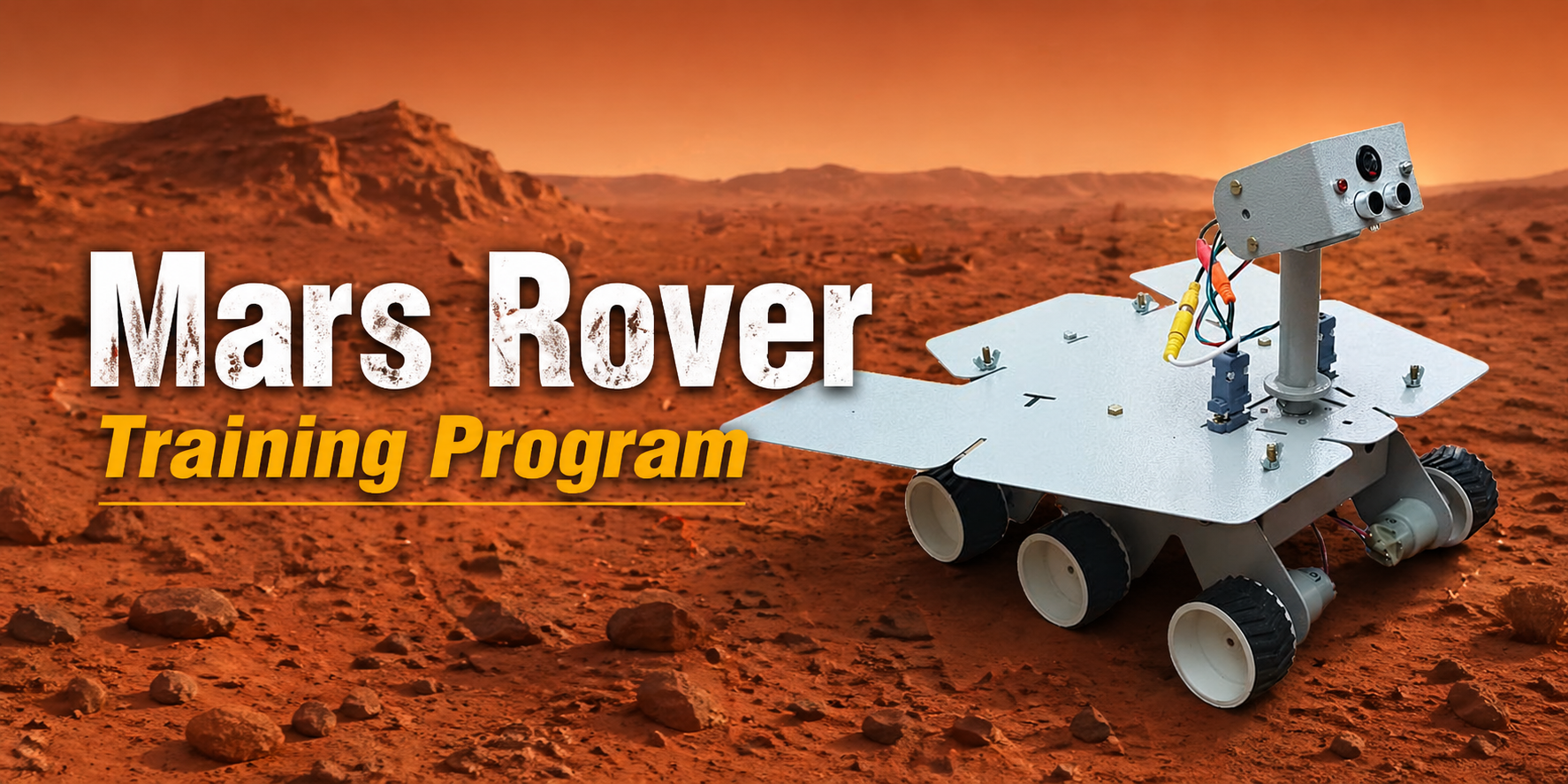
iMars Organization is actively conducting Mars Rover Training Program sessions for students across Karnataka, bringing practical space education directly to young learners through hands-on engineering experiences. Regular training sessions are conducted at Jawaharlal Nehru Planetarium, where students participate in interactive rover building and Mars exploration activities.
In addition, the iMars Space Education Team also carries out special training programs directly at school premises, making it easier for institutions to provide advanced STEM and space learning opportunities to their students. Schools, academies, and educational institutions interested in organizing Mars Rover Training sessions at their campus can connect with our Public Relations team for details, scheduling, and collaboration opportunities through email at pr@imars.in.